Narcissistic relationships
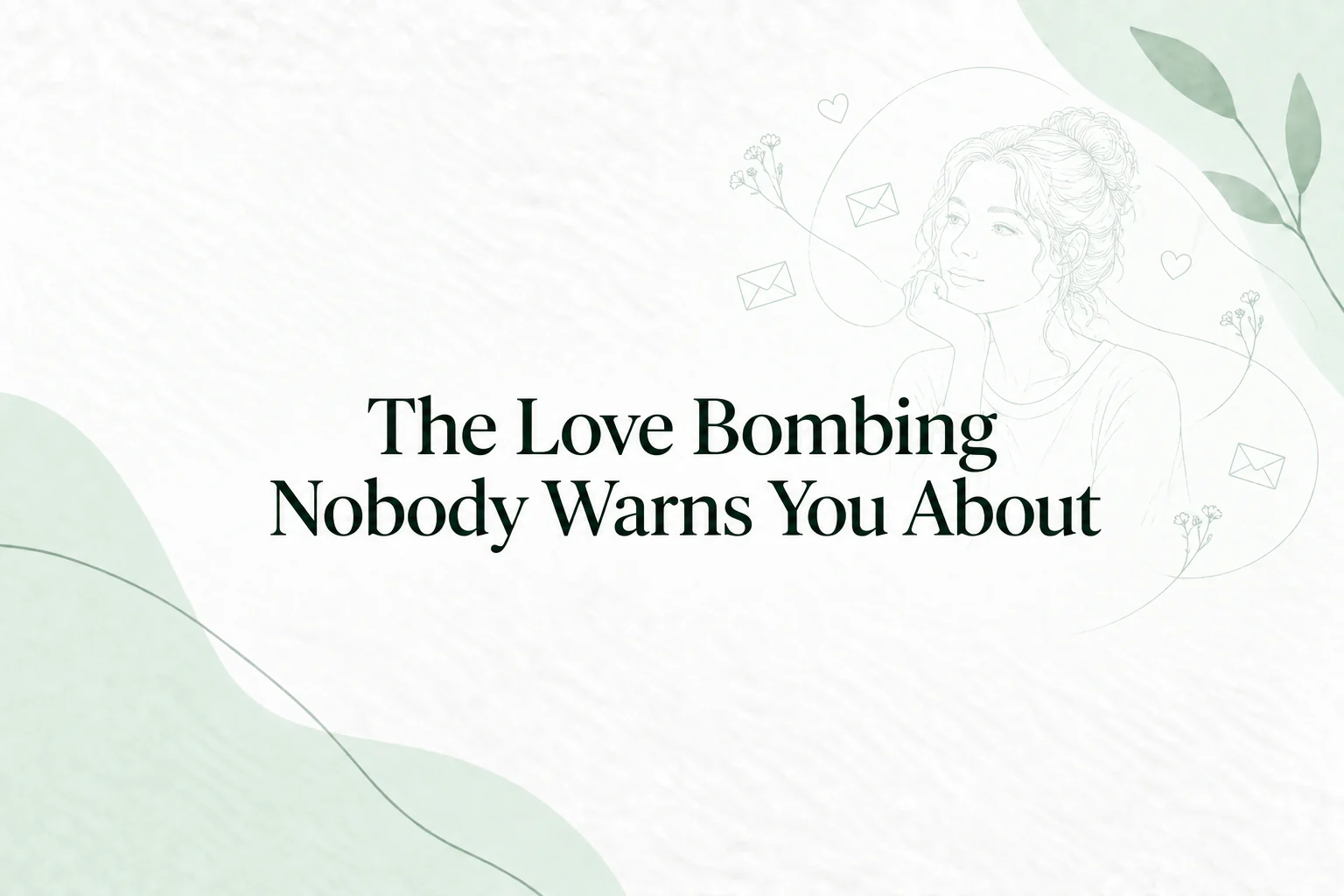
The Love Bombing Nobody Warns You About: When Pain Becomes the Hook
When people think of love bombing, they usually picture grand gestures. Flowers, elaborate dates, constant texting, being told you're the best thing that's ever happened to someone within the first few weeks.
That version is easy to spot once you know what to look for. But there's another version that slips past almost everyone, including people who are otherwise very good at reading red flags. It doesn't come wrapped in romance. It comes wrapped in pain.
I think of it as the trauma dump version of love bombing. Instead of showering you with gifts and grand declarations, this person shares their history early and often. Painful stories about an unfaithful ex, an abusive parent, people who let them down over and over.
And to be clear, most people who open up about hard things early in a relationship are not doing this on purpose. Most of the time, sharing your story is simply vulnerability, not a strategy. What I'm describing here is something narrower. A pattern where painful history becomes a tool, whether consciously or not, for drawing someone close and keeping them there.
Why it works so well
If you're a caring, empathic person, hearing someone's pain naturally pulls something protective out of you. You want to be gentle with them. You might even feel like you'd be a bad person if you didn't show them extra patience and understanding. That deep sharing can feel like real intimacy too, especially compared to relationships where it took ages for someone to open up at all. So it's easy to read this as closeness, as trust, as something rare and meaningful.
And often, in the beginning, it genuinely feels good on both sides. They welcome your care. They tell you how nice it is to finally be understood. That kind of validation can feel better than any grand romantic gesture ever could, because it's speaking directly to your compassion.
When the pattern starts to shift
Over time though, something changes. The same person who once seemed so open starts showing irritability, resentment, a persistent sense of being wronged by the world. Small requests get met with sulking or withdrawal.
And here's where it gets tricky. Because you already know their history, you start connecting the dots yourself. Of course they're struggling. Look at what they've been through. That compassion, the very thing that makes you a kind person, becomes the reason you keep excusing behavior that's actually hurting you.
Unlike the classic love bombing pattern, where people find themselves longing to return to an exciting beginning, this version rarely started out thrilling. What you're missing isn't a golden phase. It's simply hoping that enough patience and understanding will finally be enough to help them feel safe. But no matter how patient you are, it doesn't seem to get better.
The slow isolation
This pattern often comes with a quiet kind of isolation too. Comments that sound sweet at first, like wanting all of your attention, can slowly turn into questions about why you need other people in your life at all.
If you try to gently suggest they get some support, you may be met with anger, silence, or the accusation that you're just one more person who's going to leave them like everyone always does. It becomes very hard to raise anything without being met with that response, so over time, many people simply stop trying.
Holding both things at once
Here's the hard part. Someone can have genuinely gone through terrible things, and also be behaving in ways that are manipulative or harmful to you right now. Both things can be true. Compassion for what someone survived doesn't mean you owe them unlimited access to your patience, your energy, or your wellbeing. And you are not responsible for healing what happened to them before you ever met.
What tends to help
If you recognise this pattern in your own life, a few things tend to help:
-
Stop making excuses for behavior that hurts you, even when you understand where it comes from.
-
Keep other relationships and activities that are yours alone, separate from this person.
-
Pay attention to whether there's real reciprocity, whether they can actually hear you when something is wrong, or whether it always circles back to how much they've suffered.
-
And if you decide to step back or leave, know that it may not go quietly. That doesn't mean you were wrong to protect yourself.
This form of love bombing is genuinely one of the hardest to see coming, precisely because it targets the most caring parts of you rather than exploiting your desire for romance. Recognising it isn't a failure of judgement. It's a sign of just how much empathy you have to give, and learning to notice this pattern simply means learning where to place that empathy so it doesn't come at your own expense.